
How much would you pay to avoid a midnight AC breakdown during Brisbane’s next 40°C heatwave?
If you’re like most Brisbane homeowners, you’ve experienced that sinking feeling when your air conditioner starts making strange noises on the hottest day of summer. The kids can’t sleep, everyone’s irritable and sweaty, and you’re frantically googling “emergency AC repair Brisbane” at 11pm.
Here’s the thing most people don’t realize: most AC breakdowns are completely preventable. Brisbane’s brutal summers put massive strain on your system, but regular preventive AC maintenance can eliminate 85% of emergency repairs and extend your unit’s lifespan by 5-7 years.
In this guide, you’ll discover the preventive AC maintenance tips that actually work to keep your family comfortable year-round. We’re gonna show you exactly what maintenance tasks to prioritize, when to schedule them, and which warning signs need immediate attention before they turn into expensive disasters.
How Often Should AC Be Serviced?
Air conditioning systems should be professionally serviced at least once per year, ideally before Brisbane’s summer season kicks off in September or October. Here’s what the maintenance schedule looks like:
- Annual professional service (September-October, before everyone else panics and books out technicians)
- Quarterly filter cleaning or replacement (every 3 months)
- Monthly visual inspections during heavy-use summer months (December through March)
- Bi-annual professional service for ducted systems or units over 10 years old
Brisbane’s extreme heat and humidity place way more stress on AC systems than cooler climates down south. Regular servicing prevents 85% of breakdowns, extends your system’s lifespan by 5-7 years, and cuts electricity costs by up to 15%.
📊 KEY STAT: Regular servicing prevents 85% of breakdowns, extends your system's lifespan by 5-7 years, and cuts electricity costs by up to 15%.
Why Preventive AC Maintenance Matters for Brisbane Homes
Look, spending money on something that’s currently working fine feels weird. Why fix what ain’t broke, right? But here’s what happens when you skip preventive AC maintenance in Brisbane: you end up paying way more later, usually at the worst possible time.
How Brisbane’s Climate Accelerates AC Wear
Brisbane isn’t just hot – it’s a special kind of brutal on air conditioning systems.
We’re talking 38-42°C summer days where your AC runs 12+ hours straight. That outdoor unit sitting in direct sun? It’s working overtime in conditions it was never really designed for.
But here’s what really kills AC systems: the humidity. We’re regularly sitting at 70-90% humidity during summer, and that moisture wreaks havoc on electrical components, causes corrosion, and makes your system work way harder than in dry climates.
Melbourne might hit 40°C for a day or two, but Brisbane? We’re running our systems hard from October through April. That’s seven months of heavy use every single year. Sydney and Melbourne systems get maybe 3-4 months of serious work.
According to the Bureau of Meteorology, Brisbane averages 17 days per year over 35°C. But it’s the relentless day after day heat that never gives your system a break to recover.
And storm season? Those summer storms with crazy winds and hail beat up your outdoor condenser unit, bending fins, knocking debris into the fan, causing damage you won’t notice until the system starts failing months later.
Essential Components of Preventive AC Maintenance
One of the biggest reasons people avoid booking maintenance is they don’t actually know what they’re paying for. Let’s pull back the curtain and show you exactly what happens during a proper AC maintenance visit.
Professional Service Checklist
When a qualified technician shows up for preventive AC maintenance, here’s what should actually be happening:
| Component | What Gets Checked/Done | Why It Matters |
|---|---|---|
| Refrigerant | Level check and leak detection | Low refrigerant = higher energy use |
| Electrical | Connection inspection and tightening | Prevents failures and fire hazards |
| Thermostat | Calibration and testing | Ensures accurate temperature control |
| Coils | Condenser and evaporator cleaning | Dirty coils reduce efficiency by 30% |
| Drain Line | Clearing and pump check | Prevents water damage and mold |
| Fan | Motor and blade inspection | Keeps airflow optimal |
| Filter | Replacement or cleaning | Single most important maintenance task |
| Performance | System testing and airflow measurement | Confirms everything works properly |
| Safety | Control verification | Protects system from damage |
| Outdoor Unit | Inspection and cleaning | Removes debris and checks for damage |
A proper maintenance visit should take 45-90 minutes depending on your system size. If someone’s in and out in 15 minutes, they’re not doing half this stuff.
DIY Maintenance Tasks vs. Professional Work
Not everything needs a technician. Here’s what you can safely do yourself:
Monthly DIY Tasks:
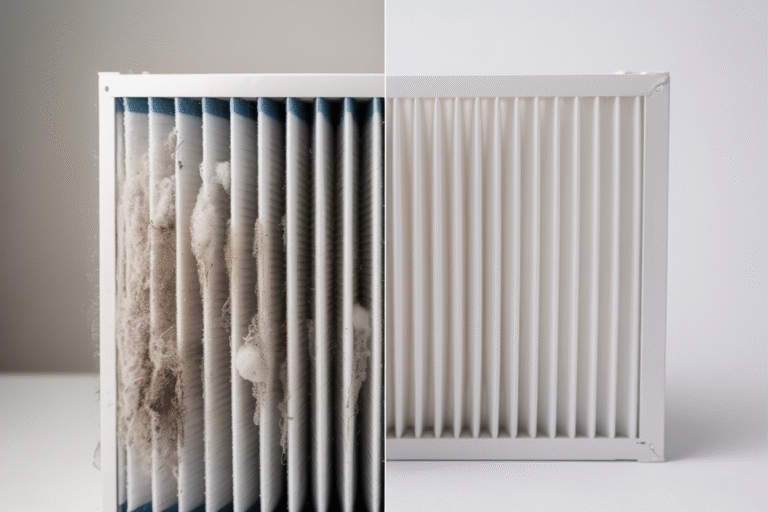
Check and clean/replace your filter – Pull out your filter once a month during summer and either clean it or replace it. Hold it up to the light – if you can’t see through it clearly, it needs attention.
Clear around outdoor unit – Pull away any leaves, grass clippings, or debris within 2 feet of the unit. Make sure plants haven’t grown too close.
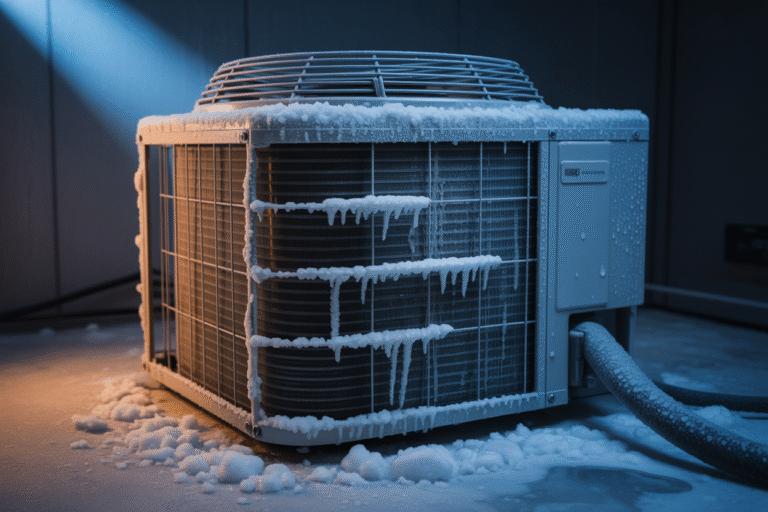
Check for ice buildup – If you see ice forming anywhere, turn off your system and call a technician.
Listen for weird noises – Grinding, squealing, banging, or clicking sounds that weren’t there before mean trouble.
Test your thermostat – Set it a few degrees colder and make sure the system kicks on within a minute or two.
What You Should NEVER DIY:
Don’t touch refrigerant – it requires special licensing and equipment. Handling refrigerant without proper certification is illegal and dangerous.
Don’t mess with electrical connections – AC systems use high voltage that can seriously hurt you.
Don’t try to clean coils yourself – you need specific chemicals and equipment.
Don’t adjust refrigerant pressure – wrong pressure destroys compressors.
Warning Signs Your AC Needs Immediate Attention
Your AC is trying to tell you when something’s wrong. Some problems can wait. Others need attention right now.
Urgent Problems (Call Today)
Ice forming anywhere on the system – Turn off your AC immediately and call for service. Ice means airflow problems or refrigerant issues, and running the system with ice will destroy your compressor.
Water leaking inside your home – Water pooling around your indoor unit or dripping from vents means your drain line is completely blocked or your condensate pump failed. You’re looking at water damage. Call today.
Burning smell when system runs – Electrical burning smell is never okay. Turn off your system at the breaker and call immediately. This is a fire hazard.
System short cycling – Your AC should run for at least 10-15 minutes per cycle. If it’s constantly stopping and starting, something’s seriously wrong.
Complete loss of cooling – If your system’s running but only blowing warm air, you’ve got a refrigerant leak or compressor failure. During Brisbane summer, this is a same-day emergency.
Loud grinding or metal-on-metal sounds – This usually means a fan blade is hitting something or a motor bearing has failed. Turn it off and call for service.
Problems to Monitor (Schedule Service Soon)
Weak airflow from vents – You’ve probably got a dirty filter, blocked ducts, or a failing blower motor. Schedule service this week.
Rooms not cooling evenly – Could be duct leaks, low refrigerant, or poor system balancing. Get it checked within the next couple weeks.
Musty or moldy smell – You’ve got mold or mildew growing somewhere in the system. Common in Brisbane because of our humidity. Schedule a cleaning service soon.
Higher electricity bills without explanation – Your AC is working way harder than it should. Schedule a diagnostic appointment.
System running constantly – If your AC never shuts off even when it’s not that hot outside, it’s struggling. Get it checked soon.
Normal vs. Concerning Sounds
Normal sounds you can ignore:
- Soft whooshing when system starts
- Gentle clicking when thermostat engages
- Low humming from outdoor unit during operation
- Occasional dripping water outside near outdoor unit
Concerning sounds that need attention:
- Squealing or screeching
- Banging or clanking
- Buzzing or humming that’s louder than usual
- Rattling
- Hissing (refrigerant leak – call immediately)
Trust your instincts. If something seems off – noise, smell, performance – it probably is.
🎯 TRUST YOUR INSTINCTS: If something seems off - noise, smell, performance - it probably is. Catching problems early is way better than waiting until something fails completely.
Maximizing AC Performance Between Services
Getting your AC professionally serviced once a year is great, but what you do the other 364 days matters just as much.
Simple Daily Habits That Protect Your System
Keep vents and returns clear – Every blocked vent makes your system work 10-15% harder. Walk through your house monthly and make sure air can flow freely.
Close doors and windows – Running AC with windows open is literally air conditioning the neighborhood.
Use ceiling fans strategically – Ceiling fans make you feel cooler, which means you can set your AC 2-3 degrees warmer and still be comfortable. Run fans counter-clockwise in summer.
Don’t crank the thermostat to 18°C hoping it cools faster – Your AC doesn’t work faster when set colder, it just runs longer. Set your desired temperature and let the system do its job.
Close internal doors to unused rooms – Why cool empty space? Just don’t close too many vents (more than 30% of total) or you’ll create pressure problems.
Energy-Saving Tips for Brisbane Climate
Set realistic temperatures – Set your target to 24-26°C during extreme heat. You’ll still be comfortable and your system won’t be redlining constantly.
Embrace the humidity settings – If you’ve got a modern system with humidity control, use it. Sometimes pulling moisture out of the air makes you more comfortable than dropping the temperature another degree.
Block direct sun before it enters – External blinds or shutters that block sun before it hits the glass are way more effective than internal blinds. Blocking afternoon sun alone can reduce cooling loads by 20-30%.
Morning cool-down routine – Brisbane nights often drop to 20-24°C. Open the house up at night or early morning to let that cooler air in, then seal it up before 9am.
🌡️ BRISBANE-SPECIFIC TIP: Brisbane nights often drop to 20-24°C. Open the house up at night or early morning to let that cooler air in, then seal it up before 9am when temperatures start climbing.
What NOT to Do (Common Mistakes)
Constant temperature adjusting – Set it once and leave it alone.
Shutting vents in too many rooms – Closing more than 30% of your vents creates back-pressure in your ducts and can damage the compressor.
DIY refrigerant “top-ups” – This is illegal and dangerous.
Ignoring weird smells or sounds – “It still works so I’ll deal with it later” is how a small repair becomes a major replacement.
Running the system with a dirty filter – Set phone reminders and actually change the filter when they go off.
Covering outdoor unit in winter – Brisbane barely has a winter. Your outdoor unit is designed to withstand weather. Covering it traps moisture and creates a home for pests.
Take Control of Your AC’s Future
Here’s the bottom line: preventive AC maintenance isn’t about spending money – it’s about not wasting it.
Every Brisbane summer, thousands of homeowners panic-search “emergency AC repair” at midnight because their system just died during a heatwave. They wait days for service during peak demand and deal with repairs that could’ve been caught early.
You don’t have to be one of them.
Preventive AC maintenance eliminates 85% of emergency breakdowns through avoided repairs, lower electricity bills, and extended system lifespan. For Brisbane homes dealing with 7+ months of hard AC use every year, this isn’t optional maintenance – it’s protection for a system that’s already working way harder than it should.
You now know exactly what should happen during a proper service, how to spot warning signs before they become disasters, when to schedule maintenance for best results, and how to choose a technician who’ll actually do the work properly.
Your next steps are simple:
If your AC hasn’t been serviced in the last 12 months, book your maintenance appointment this week – before the September rush. If you’re reading this during summer and your system’s showing any warning signs we covered, call today, not next week.
Set up automatic reminders so you never forget again. And start doing those simple daily habits – checking filters monthly, keeping vents clear, using realistic temperature settings.
The choice is yours: Invest in regular preventive maintenance and sleep soundly knowing your AC will keep running. Or gamble and hope your system doesn't pick the worst possible moment to fail.
Brisbane summers don’t care about your budget or your schedule. But proper preventive AC maintenance means they won’t have to.
Ready to Book Your AC Service?
Professional air conditioner repairs and maintenance for Brisbane homes.
Frequently Asked Questions About Preventive AC Maintenance
Q.Can I skip maintenance if my AC seems fine?
You can, but you're gambling. Your AC "seeming fine" doesn't mean everything's actually fine under the hood - refrigerant leaks start small, electrical connections loosen gradually, and coils get dirty slowly. By the time you notice performance problems, the damage is already done. It's like never servicing your car because it still drives okay - sure it runs today, but you're building up problems that'll hit all at once, usually at the worst possible moment during a 40°C Brisbane heatwave when every tradie is already booked solid.
Q.What's the difference between maintenance and repairs?
Maintenance is scheduled prevention - checking, cleaning, testing, and adjusting to keep everything running properly, like your dental checkup and cleaning. Repairs happen when something's actually failed or damaged - replacing burned-out capacitors, fixing refrigerant leaks, replacing seized fan motors. Maintenance you plan and schedule at your convenience, while repairs happen when stuff breaks, usually at the worst possible time and always cost more. Sometimes maintenance visits find small problems that need repair, but you're catching them early before they fail completely.
Q.Is preventive maintenance worth it for older systems?
Absolutely yes - maybe even more important than for newer systems. If your system's 8-15 years old, maintenance is what keeps it running since these older units are past the "never breaks down" phase and into the "needs regular attention" phase. That said, there's a limit - if your system's 20+ years old, constantly breaking down, and maintenance visits keep finding multiple expensive issues, you might be better off replacing it than continuing to patch it up. The sweet spot is systems between 8-15 years old that get the most benefit from regular maintenance.
Q.What happens if I find a cheaper service elsewhere?
Cheaper isn't always better - sometimes it's just incomplete. We've had dozens of customers come to us after getting "cheap" maintenance elsewhere, only to find their system still has the same problems. The cheap guy changed the filter, maybe hosed off the outdoor unit, and left without actually checking refrigerant levels, testing electrical connections, or documenting anything. Get quotes from 3 companies, make sure they're all quoting for the same comprehensive checklist, verify licensing and insurance, read actual reviews, then pick based on value not just price.
Q.How do I know if the maintenance was done properly?
You should get documentation proving everything was checked and tested - a written report showing what was inspected, what was cleaned, what measurements were taken (temperatures, pressures, amperage), any problems found, recommendations for future attention, and ideally photos of any issues discovered. If your technician just says "all good mate" and hands you a bill with no documentation, you don't actually know what they did. Ask before booking: "Do you provide a written report after service?" If they hesitate or say no, find someone else. Good companies want you to see documentation because it builds trust.